
The Epidemiology Methods for Social and Health Dynamics (EPISoHD) Research Lab's program is dedicated to advancing epidemiology methods across various health outcomes, with a primary focus on infectious diseases. We conduct high quality research, mostly using existing data, with the aim to support meaningful and practical policy implementations that address health inequalities and promote disease prevention.
The EPISoHD Lab’s foundation rests on comprehensive, robust, and reproducible epidemiological and statistical analyses of social and health dynamics.
Our diverse and interdisciplinary international research network is composed of trainees, researchers, and collaborators based primarily at McGill University, in Montreal, and across Canada, the United States, Brazil, Colombia, Cuba, Germany, and Senegal, among other countries.


The aim of the Pan-DIASPORA project is to map the current state of knowledge on race- and ethnicity-based data in the context of racial health inequalities across major health outcomes, including cardiovascular disease, maternal and infant mortality and vector borne diseases across the Latin American and Caribbean region.

The ZIKV Individual Participant Data Meta-analyses Phase II and surveillance-based IPD analysis (ZIKV-IPD-MA-2S) aims to address epidemiological and statistical errors in the assessment of Zika virus (ZIKV) infection during pregnancy, along with other adverse outcomes, through data from 64 studies.

The Pathways study was established to investigate the long-term effects of food donation programs on food insecurity as well as other critical outcomes, such as diet, health, and social support.

Funded by the Ministère des Relations internationales et de la Francophonie, this project investigates social determinants of health affecting the HIV care cascade among vulnerable populations in Senegal.

This study, conducted in collaboration with the Fundación Valle del Lili and Universidad ICESI evaluated cancer diagnosis and treatment opportunities during the pandemic. Findings revealed the COVID-19 Pandemic's impact on Cancer Care in Cali, Colombia.
We would like to acknowledge and thank our funders: the Canadian Institutes of Health Research, the Fondation de Recherche du Québec (Santé), and the Ministère des Relations internationales et de la Francophonie, for supporting our research.


PRINCIPAL INVESTIGATOR
MABEL CARABALI
MD, MSc, PhD
Dr. Mabel Carabali (she/her) is a distinguished epidemiologist, medical professional and Assistant Professor of Epidemiology in the Department of Epidemiology, Biostatistics and Occupational Health at McGill University's School of Population and Global Health. Dr. Carabali holds the Canada Research Chair (Tier 2) in Methods to Address Health Inequalities.
She obtained her medical degree from Colombia's Unversidad Libre and holds a PhD in Epidemiology from McGill University. With over 17 years of experience in international research, her expertise lies in infectious diseases and social epidemiology. Her current work focuses on assessing underreporting and misclassification in epidemiological studies, expanding statistical methods for intersectionality studies, and investigating health disparities.
Areas of Interest: Epidemiologic Methods, Global Health, Social Epidemiology, Infectious Diseases, Surveillance Data, Data Synthesis
Publications:
PhD Candidate
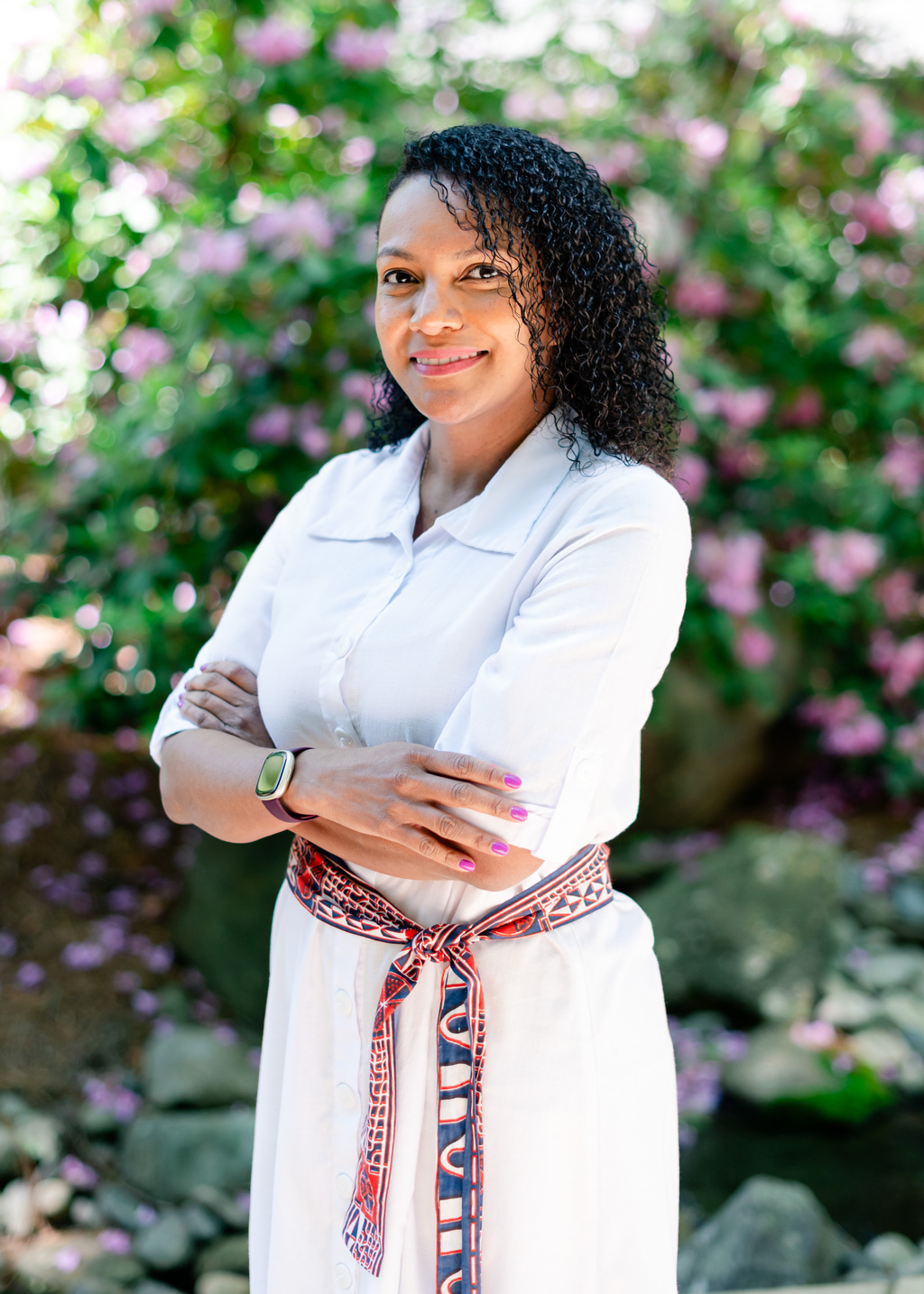
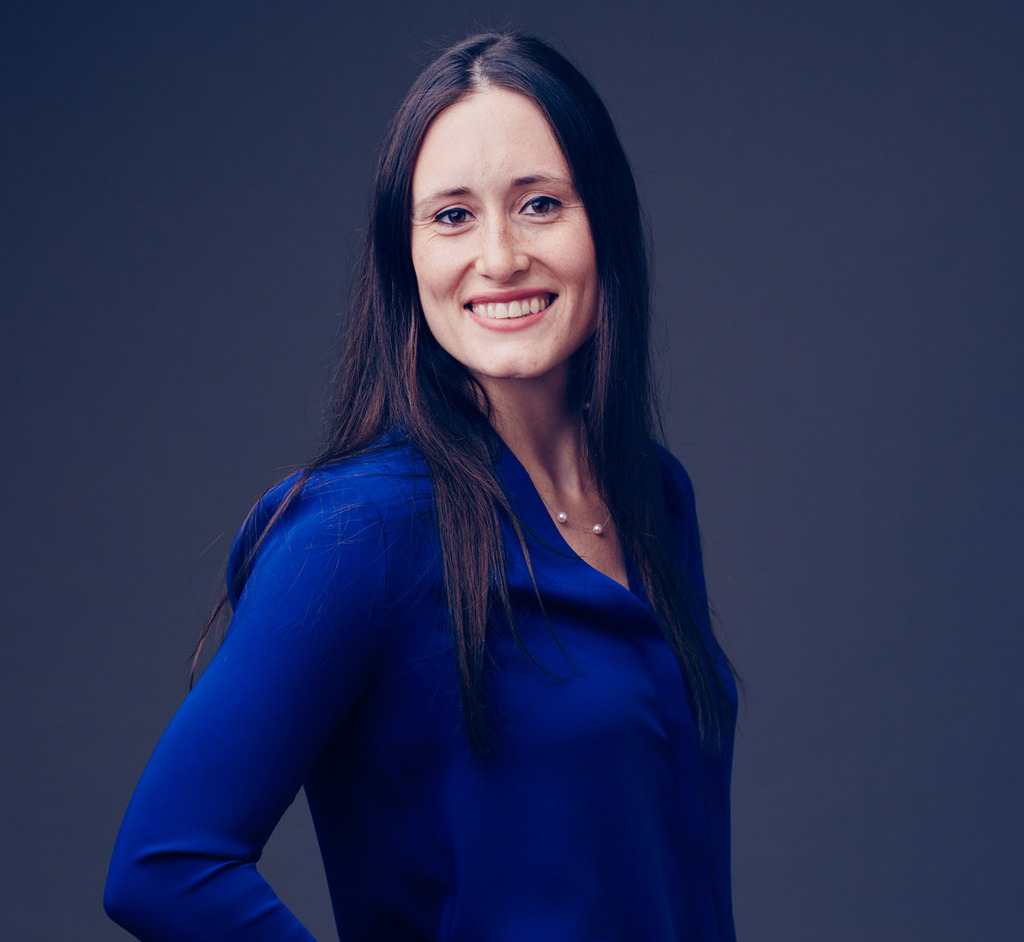
Céline is a PhD candidate in Epidemiology at McGill University. Her thesis is at the intersection of social and infectious disease epidemiology, as she studies the impact of Zika virus (ZIKV) exposure misclassification and racial inequalities on microcephaly in Brazil.
Céline collaborates with the Pan-DIASPORA Initiative to assess racial/ethnic inequalities in ZIKV in Latin America. She also works as part of the WHO-ZIKV consortium, studying ZIKV exposure ascertainment and misclassification.
Prior to her PhD, Céline was a research coordinator at the Centre for Global Child Health at SickKids Hospital, where she studied gender equality, sexual/reproductive health and child nutrition.
Areas of Interest: Infectious Disease, Health Equity, Social Epidemiology, Global Health, Epidemiologic Methods

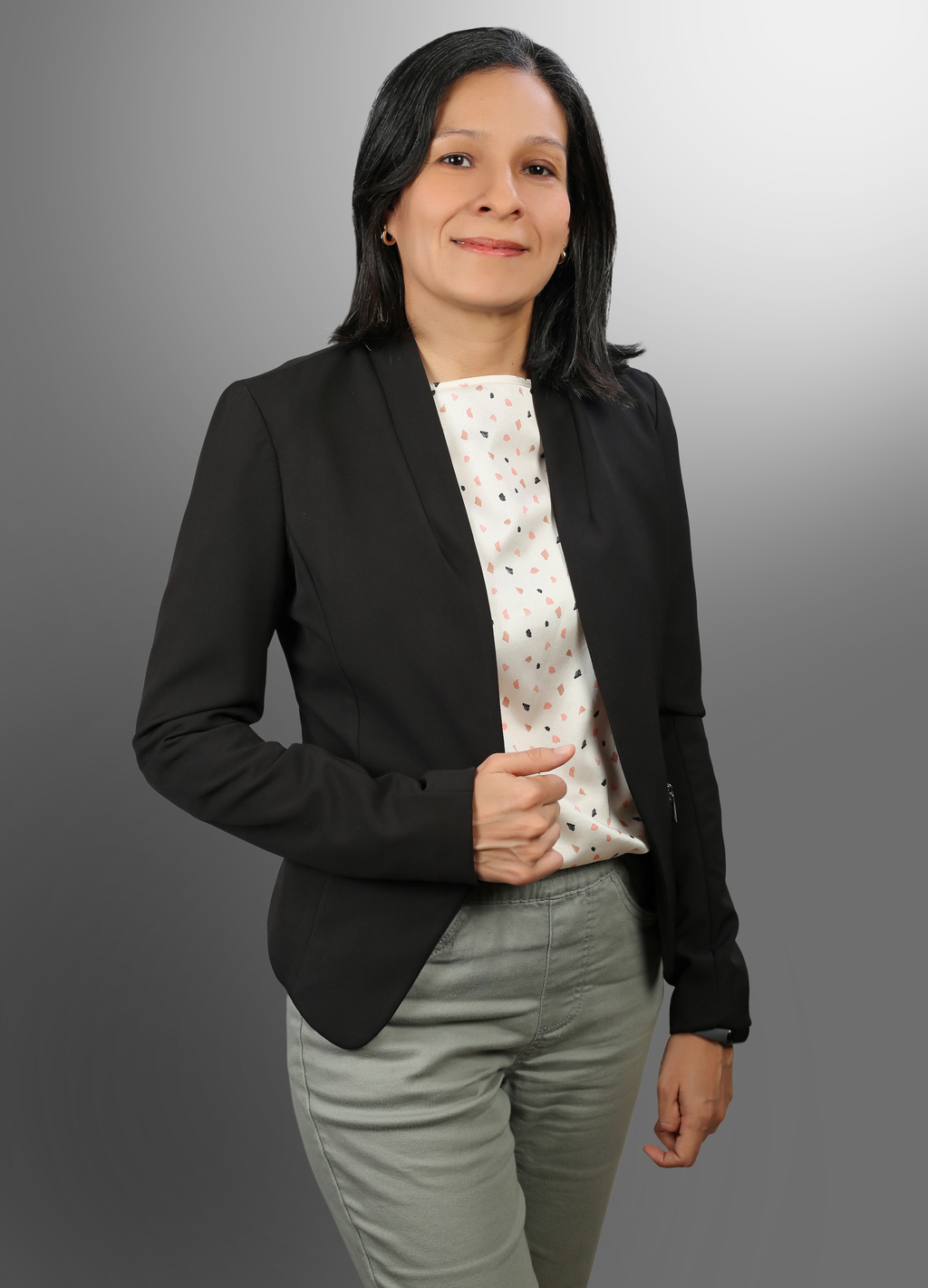
PhD Candidate
I am a physician specializing in internal medicine and infectious diseases, and I am currently a PhD candidate in Epidemiology at McGill University, where I also earned a master’s degree in the same field.
My research focuses on improving the understanding of the trade-offs associated with epidemiologic methods and developing resources to support their implementation, particularly in vaccine effectiveness research. Additionally, I apply these methods to administrative health data from Mexico to inform public health decision-making. I am also interested in teaching and mentoring the next generation of researchers.
Areas of Interest: Infectious Diseases, Vaccine Effectiveness, Antimicrobial Resistance, Tuberculosis, Administrative Health Data, Epidemiologic Methods
PhD Student
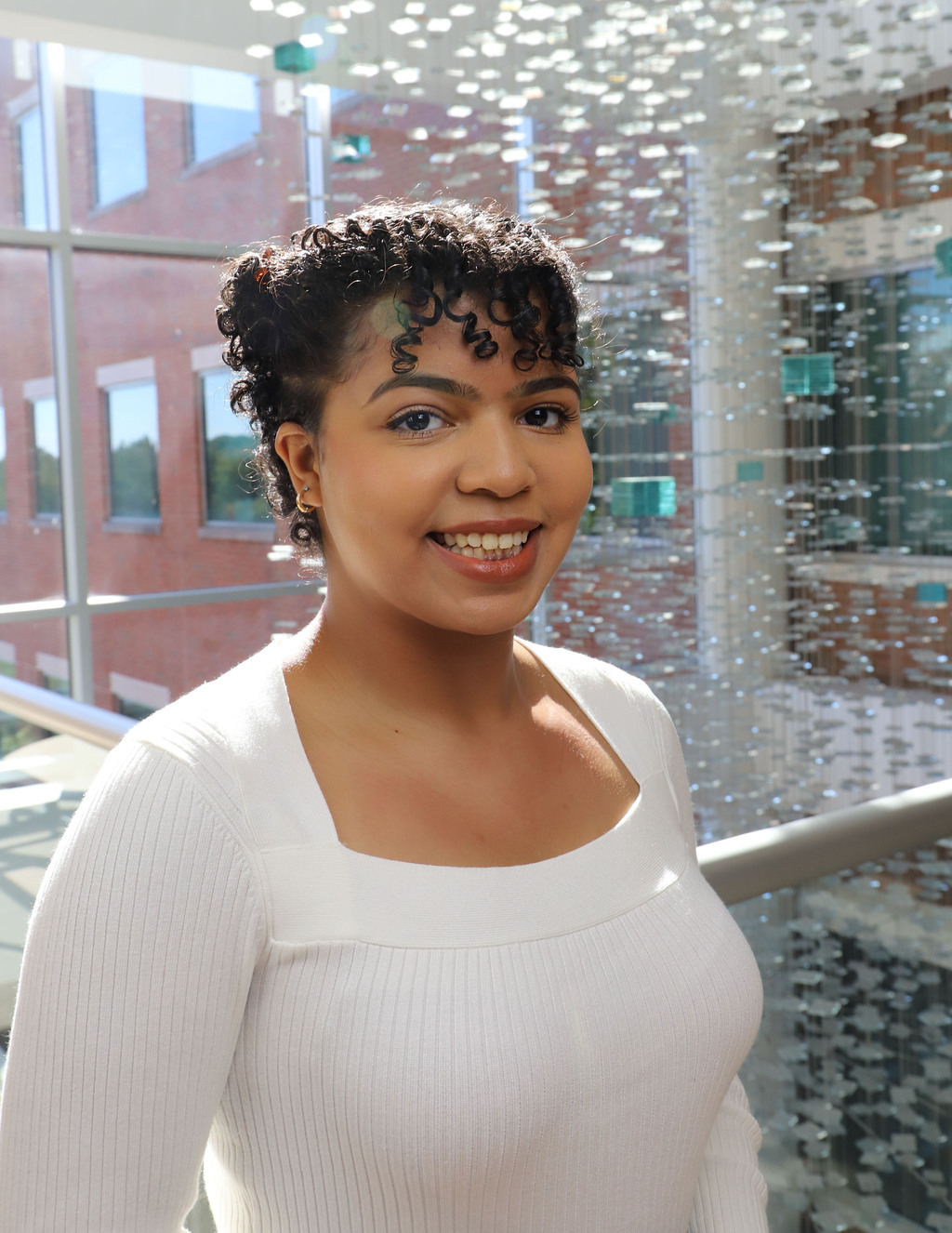
Gabrielle is an epidemiologist and an avid learner. She is a first-year PhD student in Epidemiology and a recent FRQS recipient. Her research interests include food insecurity, quantitative intersectionality, and epidemiological methods.
Gabrielle graduated summa cum laude from Rutgers University Honors College with a BS in Public Health. She earned her MPH with a concentration in Epidemiology at the Rutgers School of Public Health where she was named the Convocation Speaker and Stanley S. Bergen Medal of Excellence Recipient.
Areas of Interest: Food Insecurity, MAIHDA (Multilevel Analysis of Individual Heterogeneity and Discriminatory Accuracy), Intersectionality, Epidemiological Methods

PhD Candidate
Khandideh Williams is a PhD Candidate in the Family Medicine and Primary Care program at McGill University. Prior to commencing her graduate studies, she obtained a Bachelor of Science degree in Microbiology and Immunology from the same institution.
Committed to addressing racial disparities in health outcomes and health care experiences, her doctoral research uses both qualitative and quantitative methods to investigate racial disparities and anti-Black racial discrimination in Canadian health care.
Her endeavors also include the development of clinical strategy recommendations towards improving the quality of health care experiences and outcomes among diverse marginalized communities in Canada.
Areas of Interest: Health and Healthcare Equity, Marginalized Populations, Mixed Methodology, Social Epidemiology

MSc Student, Research Assistant
Khardjatou Marianne Djigo is a student in the MSc Epidemiology program at McGill University. She obtained her undergraduate degree in Biomedical & Life Sciences, Sociology, and Social Studies of Medicine from the same institution. Her previous work includes exploring the pathogenesis of placental malaria, and investigating social inequalities associated to the distribution of Dengue in Chocó, Colombia. During her time at the Pasteur Institute of Dakar, she worked on assessing the distribution of arboviruses across Senegal's 14 regions.
Her interests include spatiotemporal analysis, causal inference, and disease control research at the intersection of molecular mechanisms of transmission and the One Health framework. She is also committed to public health implementation and policy, translational research, and science communication.
Areas of Interest: Global Health Equity, Infectious Diseases, Maternal and Child Health, Epidemic Preparedness, One Health, Social Epidemiology, Epidemiologic Methods, Bioethics, Health Policy, Intervention and Implementation
PhD Student
Maria Isabel Estupinan (she/her) obtained her Bachelor’s degree in Nursing and Master’s degree in Epidemiology from Universidad Industrial de Santander in Colombia, and a Graduate Diploma in Public Health from Deakin University in Australia. She has built her research experience during major arbovirus outbreaks—such as dengue, chikungunya, and Zika—by conducting and leading population-based seroprevalence studies in key epidemic areas of Colombia. In 2020, she led the national SARS-CoV-2 seroprevalence study, which helped guide COVID-19 vaccination policy in Colombia.
Her interests include mathematical modelling to evaluate intervention impact, estimating the burden and transmission dynamics of infectious diseases, and geo-statistical modelling to support public health decision-making and guide targeted strategies.
Areas of Interest: Seroprevalence Studies, Mathematical and Geo-statistical Modelling, Burden and Dynamic Transmission of Infectious Diseases, Epidemiologic Methods, Vector-borne Diseases, COVID-19, HIV, Vaccine Evaluation, Public Health Intervention Evaluation and Global Health.
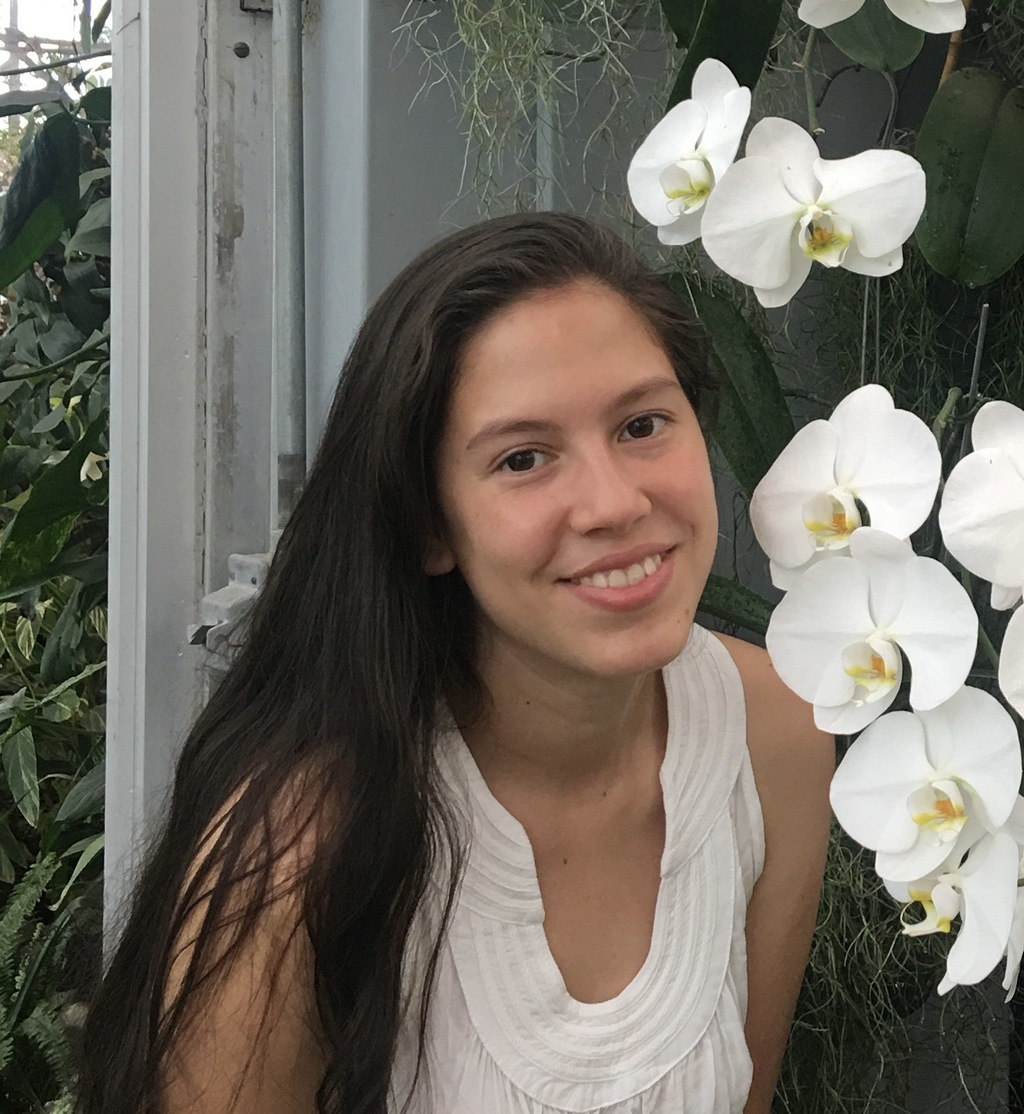
MSc Candidate
Sofía is a physician from Universidad Icesi, Colombia, and a research professional with four years of experience at the Clinical Research Center of Fundación Valle del Lili. Her work spans public health (e.g., implementing video-monitored tuberculosis treatment and analyzing Cali’s TB contact study, 2019–2020) and clinical trials in oncology/cardiology.
Currently pursuing her MSc in Epidemiology at Universidad del Valle, her thesis examines how socioeconomic inequities drive TB mortality in Colombia (2012–2022). She also collaborates on a Colciencias-funded project assessing pulmonary TB risk management in Cauca during the COVID-19 pandemic.
Areas of Interest: Socioeconomic Inequities, Tuberculosis, Neglected Tropical Diseases, Clinical Trials, Public Health Implementation
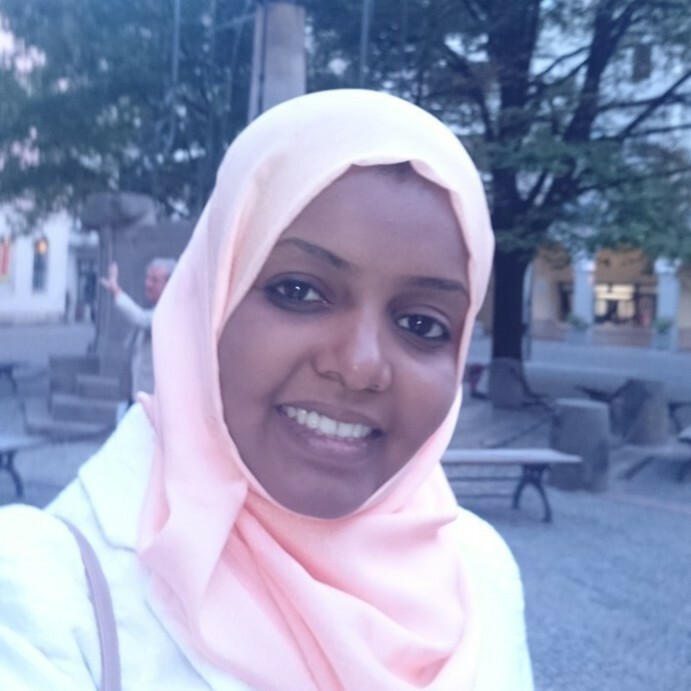
PhD Student
Thowiba Mansour is an early career researcher with a focused interest in infectious disease prevention and control. She holds a bachelor’s degree in medicine and surgery, a master’s degree in public health in Disasters, and a master’s degree in Epidemiology.
Mansour has experience as a medical professional in humanitarian settings and three years of experience in health research, specifically in vaccination security, at the University Laval Research Centre (CRCHU). During her career, she received multiple scholarships, including the prestigious Erasmus Mundus Master's Scholarship from the European Commission. Mansour has also contributed to the scientific community through several authored publications.
Areas of Interests: Infectious Disease Prevention and Control


MD-PhD Student
Yasmine Elmi is a student in McGill University’s MD-PhD program. Her research focuses on health equity, maternal and child health, and racial health disparities. She also plays an active role in mentorship and diversity initiatives within STEMM.
Areas of Interest: Epidemiological Methods, Black Health, Maternal and Child Health
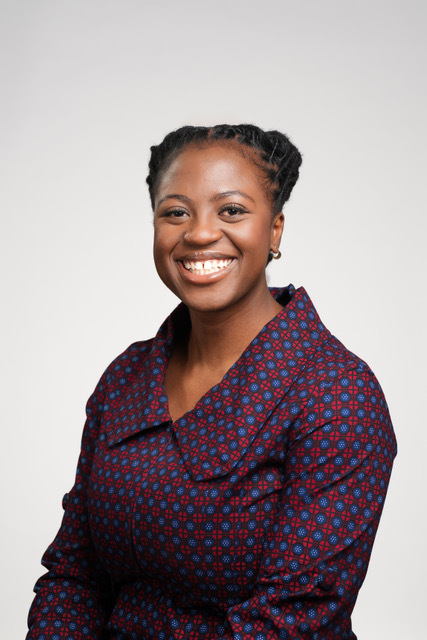
PhD Candidate, University of Toronto
Afia Amoako is a PhD Candidate in Epidemiology at the Dalla Lana School of Public Health, University of Toronto. Her PhD thesis employs spatial-temporal modelling techniques to quantify the social factors that influenced the spatial distribution of COVID-19 in Toronto. Before pursuing her PhD studies, Afia received her Master of Science in Public Health from McGill University and a Bachelor of Science in Immunology from the University of Toronto.
Areas of Interest: Spatial Epidemiology, Social Epidemiology, Infectious Diseases

PhD Candidate, McGill University
Berson Augustin is a PhD candidate in Epidemiology at McGill University's School of Population and Global Health. His research focuses on investigating regional health disparities in TAVR procedures using advanced biostatistical methods including machine learning, and Bayesian spatiotemporal statistics. He holds an MSc in Public Health from McGill and dual bachelor’s degrees in Biology and Environmental Geography from Concordia University. Previously, his research experience included developing HCV screening strategies among Montreal migrants and contributing to HIV/AIDS surveillance at Germany's Robert Koch Institute. He teaches Epidemiology to first-year medical students and maintains interests in violin performance and tennis.
Areas of Interest: Social Epidemiology, Non-Communicable Disease Epidemiology, Epidemiologic Methods, Machine Learning, Health Geography, Bayesian Spatiotemporal Methods, Health Services and Health Policy.

PhD Candidate, McGill University
Doris Durán is a Ph.D. student in Epidemiology at McGill University. She received her DDS in Finis Terrae University and her MSc in Public Health at the University of Chile. Previously her work focused on health policies, specifically in cancer, from a social epidemiology framework. Her PhD thesis focuses on vital statistics methods for tracking cause-specific mortality during the COVID-19 pandemic in Brazil, Colombia, Canada and Switzerland.
Areas of Interest: Inequalities in Health, Chronic Diseases, Mortality, Vital Statistics

Ph.D., Université de Montréal
Elsury holds a Ph.D. in Public Health from the Université de Montréal (Département de médecine sociale et préventive) with expertise in Health Promotion and research related to Food Access. Elsury contributed to the Pathways Project for her Ph.D. thesis. She now works as a Research Advisor at the Université de Montréal.

Pan-DIASPORA Research Assistant
Yazmin graduated with an Applied M.Sc. in Occupational Health from McGill University. She was the principal Research Assistant for the Pan-DIASPORA Project, and led the project's Cardiovascular Diseases Working Group. Yazmin now works at the McGill University Health Centre as an Occupational Hygienist.

MSc, Universidad ICESI
Dr. Luis Gabriel Parra Lara (he/his) is a medical doctor from Cali, Colombia. He obtained his medical degree from Universidad del Valle, then he completed a clinical specialization in Internal Medicine from Universidad Icesi - Fundación Valle del Lili. He has a specialization in University Teaching from the same university. Dr. Parra Lara is currently completing a clinical fellowship in Hematology & Clinical Oncology in Colombia.
At the EPISoHD Lab, we are proud to be an interdisciplinary and international team whose work is rooted in global health equity. We aim to create lasting, equitable solutions, through close collaboration with local partners across the regions where our work takes place. We extend our sincere thanks to our national and international EPISoHD Friends whose dedication and insights help drive our mission forward.

















Welcome to Dr. Angela Zambrano, a PhD student at Universidad del Valle, Hemato-Oncologist at the Fundación Valle del Lili and a long-term EPISoHD friend. We are so excited to have you with us!

Mabel, along with Dennis Pérez and Marelys Martínez of the Pan-DIASPORA's DENV Working Group, hosted this workshop as part of the IPK's Vector Control Course!
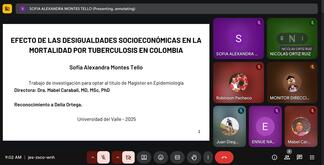
Sofía defended her thesis on "The Effect of Socioeconomic Disparities on TB Mortality in Colombia." Congratulations, Sofía, we are all so proud of you!!

Big congratulations to all the EPISoHD members and esteemed collaborators who were a part of this application process!

Mabel is part of the 2025 North American Cohort of the Women Lift Health Leadership Program. Read her profile here!

Congratulations Gabby and Thowiba!!

Yasmine delivered a Ted Talk entitled "A Journey To Justice in Healthcare." Watch it here!

Marianne was awarded a One Health Against Pathogens (OHAP) Traineeship Award in the scope of her MSc training. Congratulations, Marianne, and best of luck!

Céline travelled to Recife, Brazil, for data collection in the context of her PhD thesis. Keep up the good work, Céline!

Congratulations, Céline!

Yasmine presented preliminary findings from Maternal, Infant and Neonatal Mortality working group of the Pan-DIASPORA Project at the conference which took place at Dalhousie University in Halifax. Well done, Yasmine!
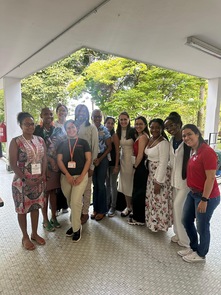
Members of the Pan-DIASPORA from Canada, the U.S.A., Cuba, Colombia and Brazil met in Cali, Colombia to discuss advancements and next steps.
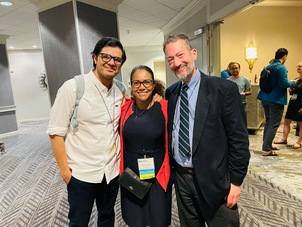
Edgar also presented findings from his thesis research at the SER Conference in Austin, Texas. Great job, Edgar!

Céline presented findings from her thesis research at the Society for Epidemiological Research (SER) Conference in Austin Texas, supported by the SER Travel Award. Great job, Céline!
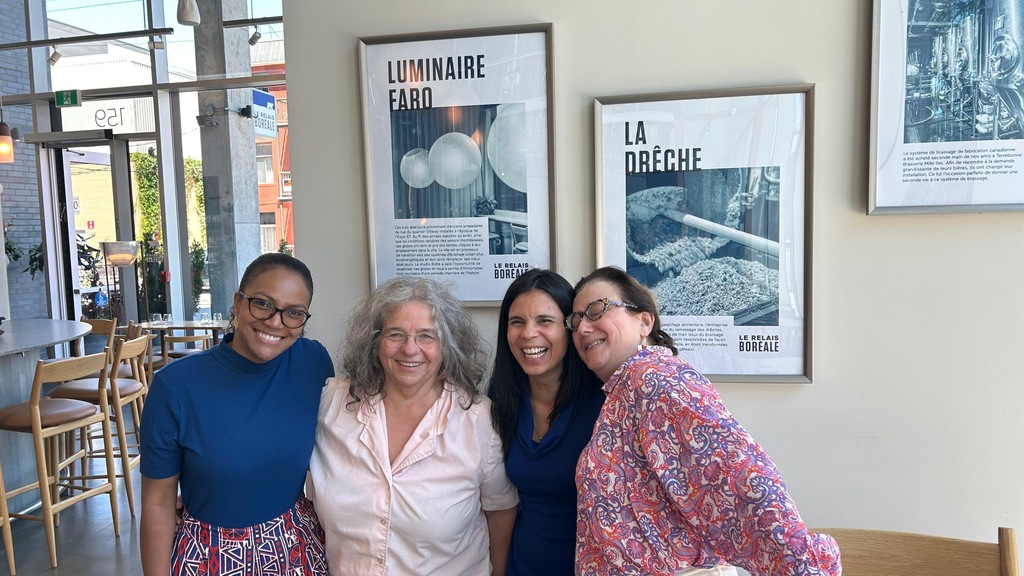
Elsury's thesis is entitled "Community-Based Social Assistance Programs and Household Food Insecurity: Evidence from a Cohort of New Food-Aid seekers in Québec, Canada." Read more here. Congratulations, Elsury!
Dr. Mabel holds the Canada Research Chair in Methods to Address Health Inequalities. Read the McGill article and Mabel's chairholder profile. Congratulations, Mabel!
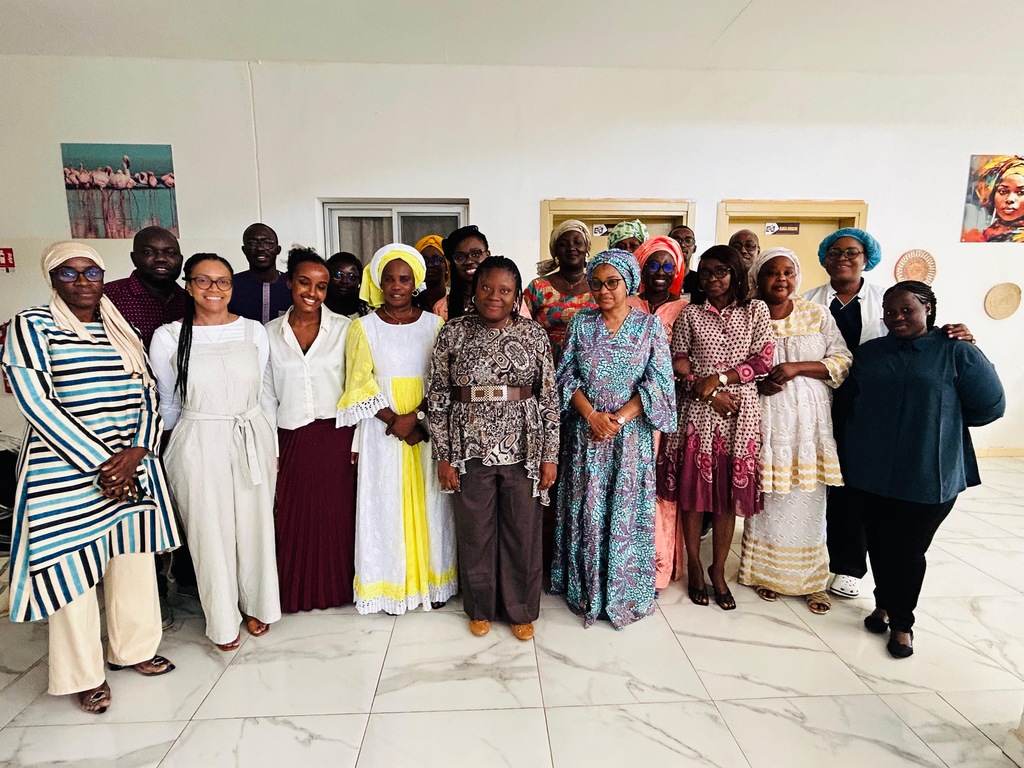
Yasmine and Mabel travelled to Dakar, Senegal, to meet with collaborators and deliver presentations in the context of the HIV Cascade project.

Congratulations, Yasmine and Marianne! Read Yasmine's interview and the 2024 Black Grad article.


Céline successfully defended the protocol for her PhD thesis. Congratulations, Céline! We are so proud of you.

Dr. Dennis Pérez Chacón, a longtime EPISoHD Friend and collaborator on the Pan-DIASPORA Project visited the SPGH as a Fellow-in-Residence on Black Life and History! She delivered a keynote speech entitled "Challenging Health Inequalities Research From a “Sociological Imagination”. "
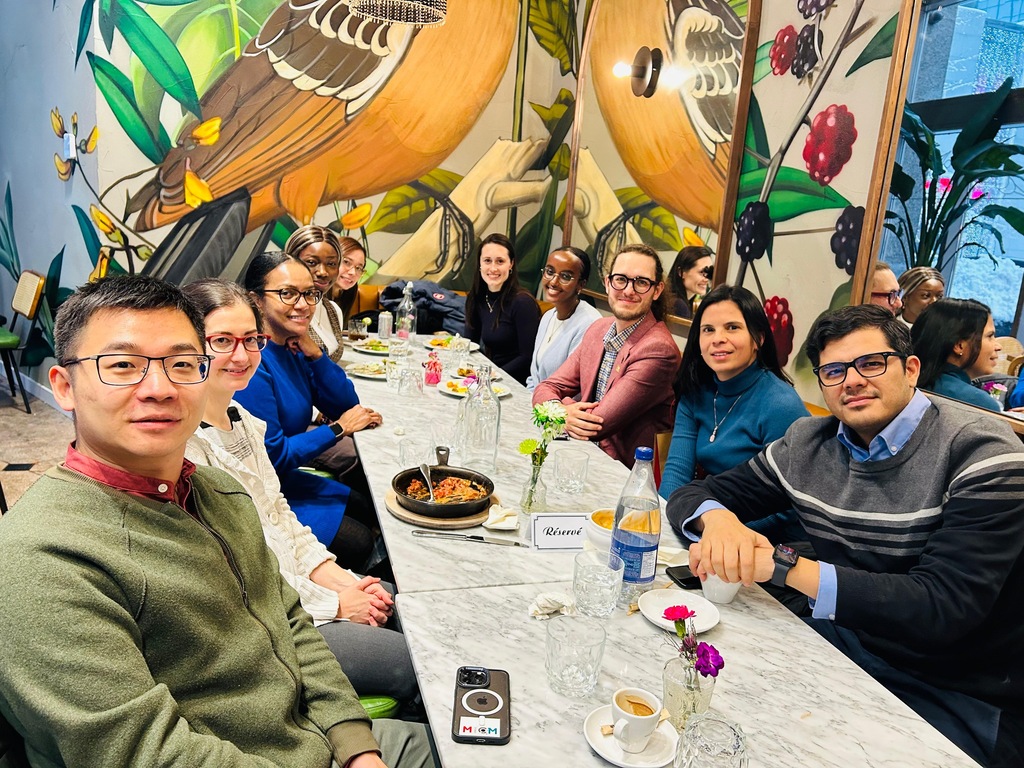
Congratulations, Edgar! We are all very proud of you.

Marianne presents her project entitled "Trends and Salient Sociodemographic Factors for the Distribution of Dengue in Chocó, Colombia Between 2019-2021." Her Undergraduate Global Health Scholar project was supported by the Spencer-Hick Family Global Heath Education and Training Award. Congratulations, Marianne!
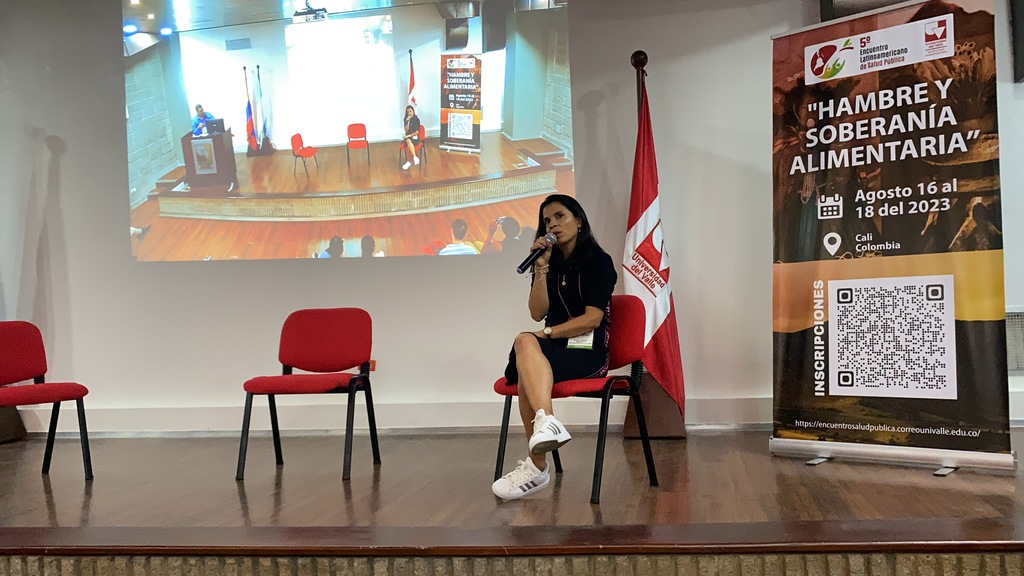
Elsury presented findings from her PhD research at this year's conference, hosted at the Universidad del Valle. The theme was Hunger and Food Sovereignty. Great job, Elsury!

Marianne and Mabel spent the month in Quibdó, Cali, and Bogotá, meeting with local partners and stakeholders in the context of Marianne's Pan-DIASPORA Global Health Internship. Exciting plans ahead!

The Montreal branch of the Pan-DIASPORA Team gained two new members. Welcome, Rori and Marianne!

Third Place Award – Special studies in Oncology at the V National Research Congress “Hernando Sarasti” Colombian Association of Hematology and Oncology (ACHO), 2022
Study: “Opportunity of care and other clinical outcomes of cancer patients before and after the COVID-19 pandemic in Cali, Colombia”. Congratulations, Luis Gabriel!

From May - August 2022, Louis Gabriel conducted research in Montreal. Read more here!
Welcome to the EPISoHD Research Lab!
EPIB 704 Doctoral Level Epidemiologic Methods 1:
Course Description: Estimation of epidemiologic effect measures and their confidence intervals in a variety of different study designs. Emphasis on analysis of sample data sets using regression models, graphical and tabular presentation of results, causal interpretation of effect estimates, writing reports for scientific publications, and sensitivity analyses for violated assumptions.


